I’m in the middle of working on a brand new comic book project—called Model UN—that I’m excited to tell you all about once things have advanced a little bit farther (it’s scripted, and in editing right now). Character designs are done, and I hope to get started on the art in a month or so. I’m working with a new creative partner, which is exciting and quite different than how I’ve brought a book to life in the past.
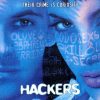
In the meantime, I wanted to start talking about the ideas behind the genesis of this new tale, and of course address the elephant in the room: yes, Model UN is set smack dab in the middle of the 1990s, which means a return to a similar time period as Dead Air (and one that’s a few years before the events of Code 45 take place). It’s also another story involving students, in this case, high school kids who are all members of a Model UN club at their school.
This doesn’t mean that all three of these books take place in a shared universe, or that I’m a one-trick pony who’s stuck in the past. At least, I don’t think I am. There are a couple of reasons as to why I keep coming back to tell stories in this particular decade. The first has to do with the mechanics of the comics I want to make. Personally, I don’t find things like texting and social media to be all that interesting on the page, or least, I haven’t come up with a narrative yet where those elements would improve what I’m trying to achieve with characters and plot. In fact, being able to instantly contact someone, or even post a message, video, or photo that can be viewed by the entire world, is more restrictive when it comes to putting together a compelling story than it is liberating, from my own perspective.
Then there’s the fact that the world sucks right now. And it’s sucked for a while. I’m not going to get into detail about why I feel that way, because I suspect that many of you are also not completely enamored with how things have shaken out over the past five years or so. I’ve written about the stress and burnout I’ve gone through during this stretch of time, which has been challenging at best for a lot of people, and I have no desire to go back there in my mind in comic book form.
There are also story-specific elements to Model UN that compel me to set it in the 1990s so I can draw on my own personal experiences when fleshing out the characters and events that take place within its pages. Like the main characters in the book, I spent three years as a day student at a small boarding school, managed in the British style, that was attended by students from all over the globe. I had an absolutely horrible time there—I’m not cut out for that type of regimented educational model—but that’s not what this book is about.
Instead, I wanted to lean on the international character of the students I went to school with to inform, and in some cases subvert, the Model UN concept. The appeal of comparing and contrasting the “hierarchy within a hierarchy” aspect of running a Model UN club within the rigid structure of a conservative private school was also appealing to me.
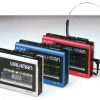
Finally, just as modern technology occasionally stifles my particular comic book writing vibe, there are aspects of 1990s tech that figure prominently into a tale like this one. I wouldn’t be able to make the same kind of decisions that I did in Model UN if it were being told from our current perspective—not to mention the vastly different levels of media saturation and disparate social response to something like alien first contact now versus the 1990s.
I think, more than me choosing a particular era to work in with my most recent stories, it’s the stories themselves that have dictated when they need to be told. I’m always willing to follow a narrative where it wants to take me rather than try to force it into a specific box, be that temporal, environmental, or cultural.